
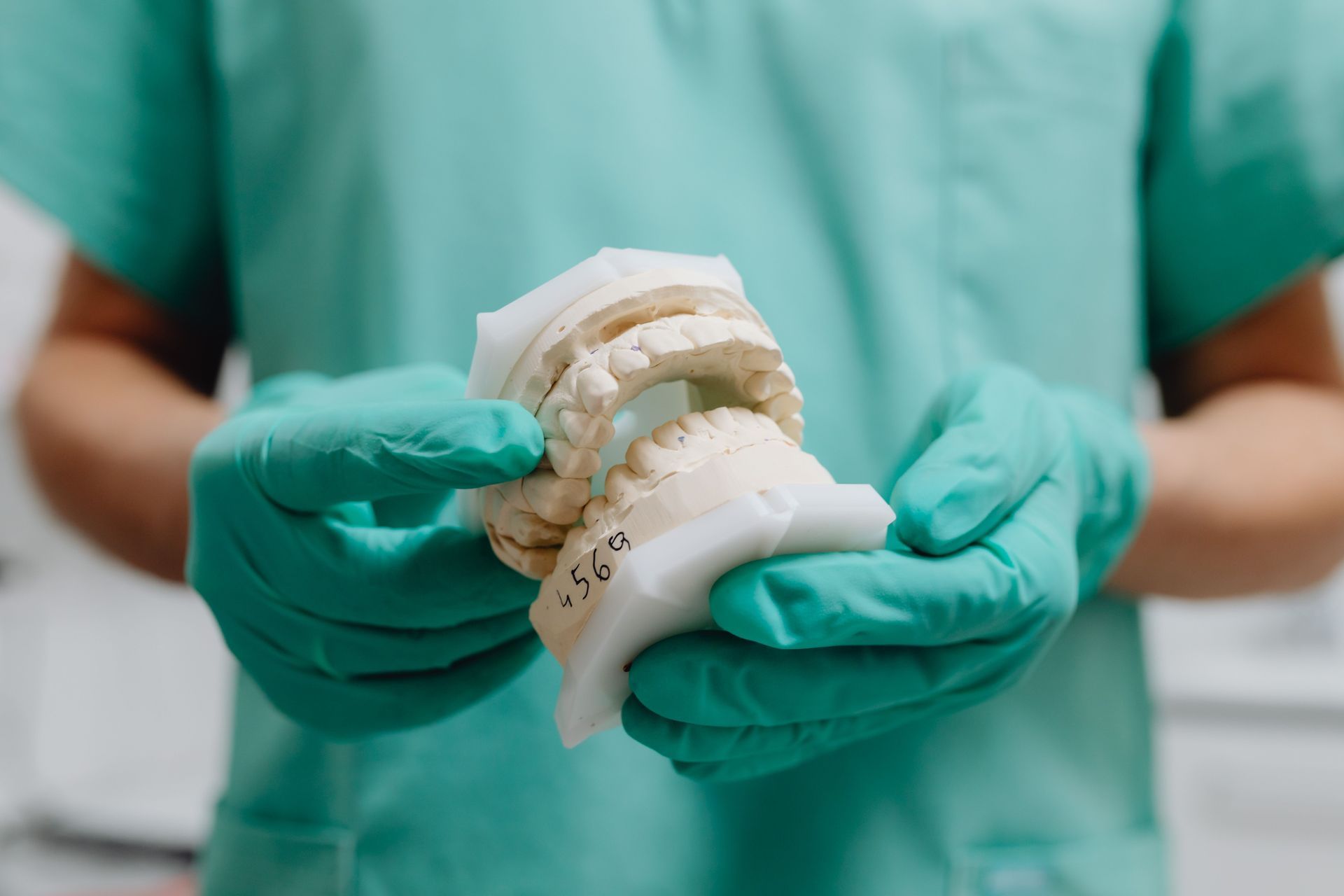
Can you get a cavity under a dental crown? Learn warning signs, care tips and when to request an exam at Designer Smiles of Colorado in Littleton, CO.
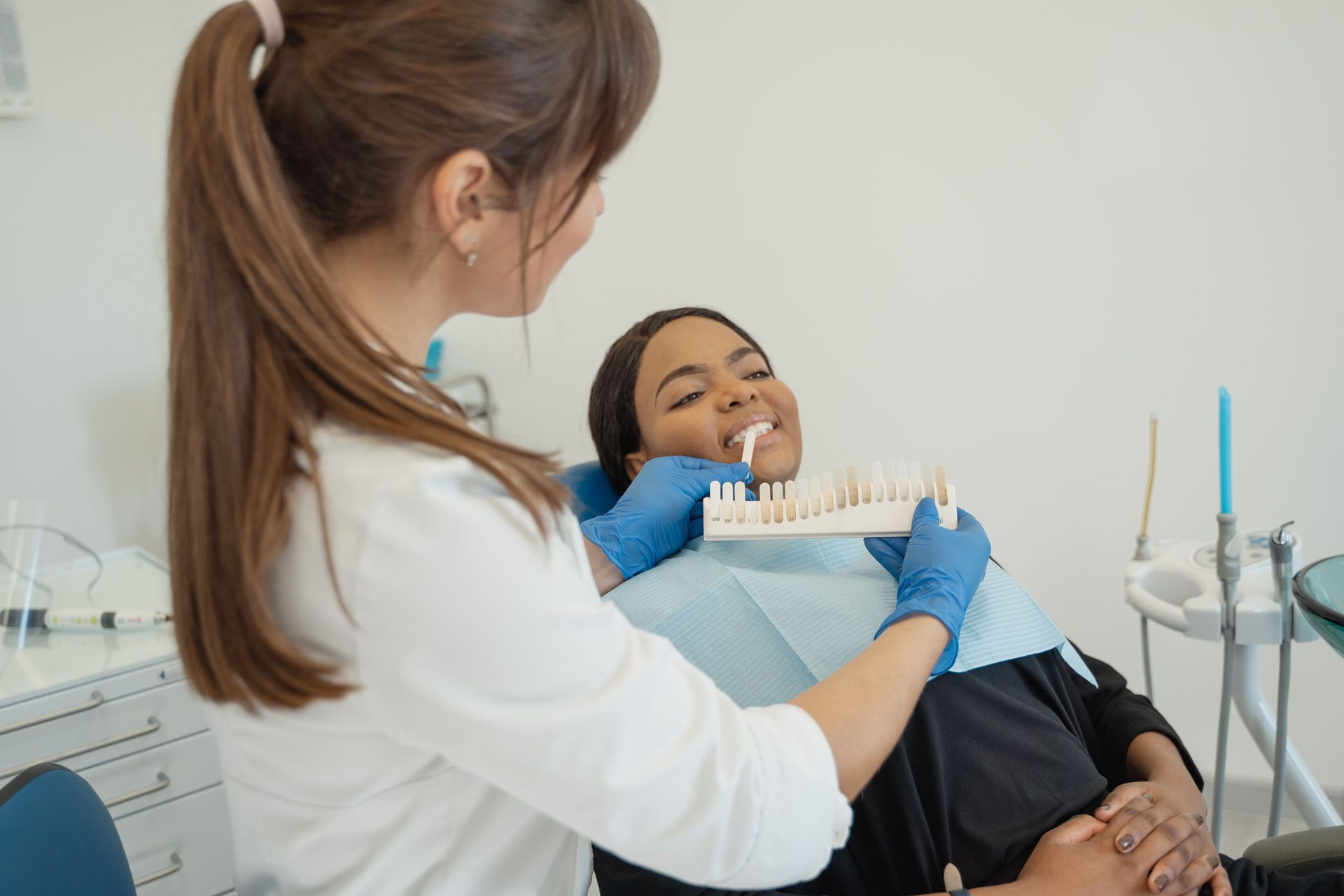
Learn what causes black triangles between teeth and how bonding, gum care, or orthodontic treatment may help. Serving Littleton, CO.

Learn how worn, shortened, or missing teeth can change facial proportions—and how cosmetic dentistry in Littleton, CO may restore a youthful smile.
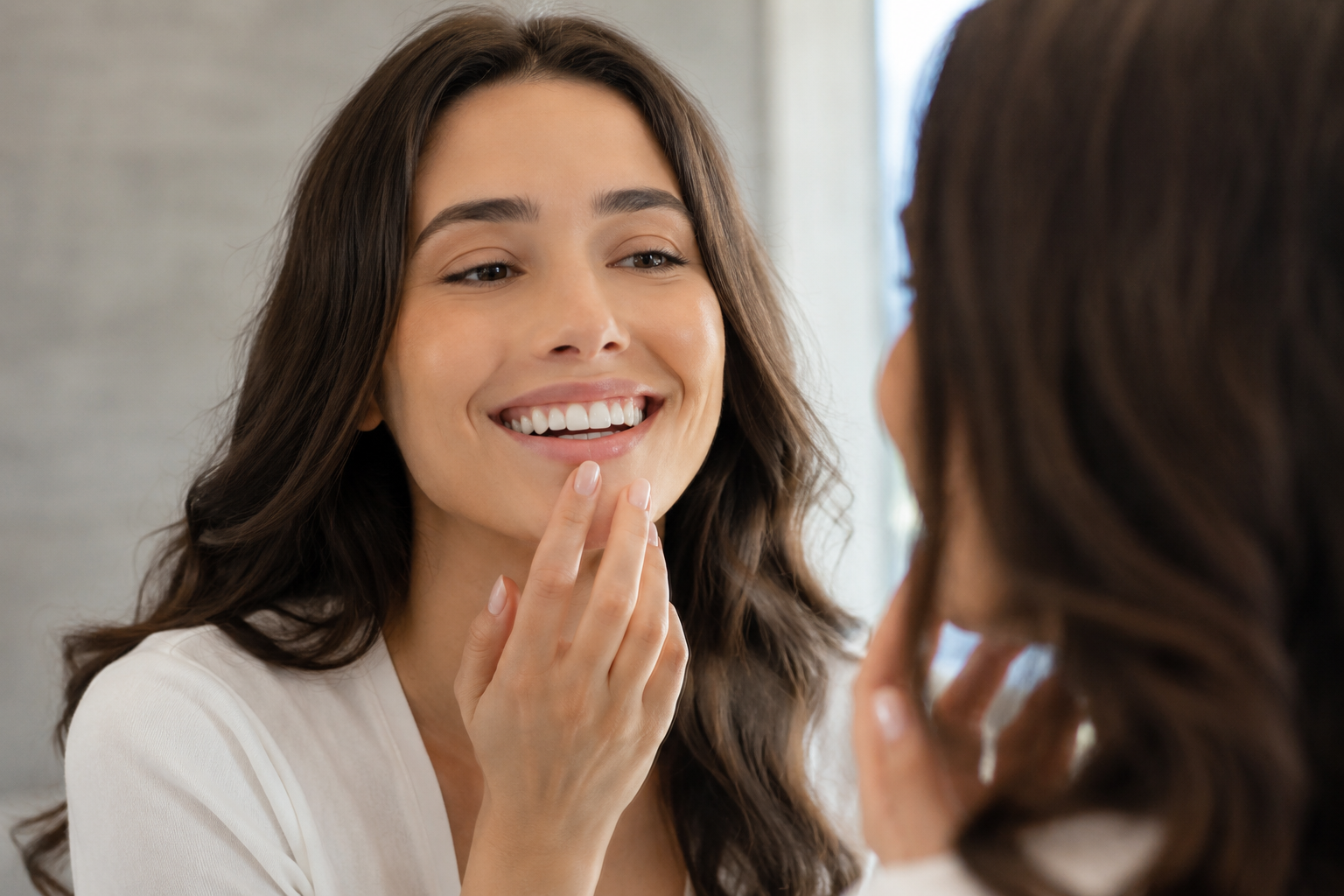
If you've ever seen someone with a dazzling white smile that somehow doesn't look quite right, you're not alone. Many people hesitate to pursue cosmetic dental treatment because they're afraid of ending up with a smile that looks artificial, oversized, or unnatural. While modern cosmetic dentistry has advanced tremendously over the years, not all smile transformations are created equal. So what exactly makes some smiles look fake while others look effortlessly beautiful? The answer lies in the science and artistry behind natural-looking cosmetic dentistry. The Fear of "Fake Teeth" Is Real When patients visit our office in Littleton, one of the most common concerns we hear is: "I want a better smile, but I don't want it to look obvious." It's a valid concern. Images of overly bright, uniform teeth have become associated with cosmetic dentistry, causing many people to assume veneers or smile makeovers always produce unnatural results The reality is that exceptional cosmetic dentistry should never announce itself. Instead, it should enhance your appearance so naturally that people notice your confidence—not your dental work. The Biggest Reason Smiles Look Artificial One of the most common mistakes in cosmetic dentistry is treating teeth as individual objects rather than part of a person's overall facial aesthetics. A beautiful smile isn't created by making teeth as white and straight as possible. It's created by designing teeth that complement: Your facial structure Lip shape Gum contours Skin tone Age Personality When these factors are ignored, the result can feel disconnected from the rest of the face. 1. Natural Teeth Aren't Perfectly Identical Many people assume that perfectly symmetrical teeth create the most attractive smile. In reality, nature doesn't work that way. Natural teeth have subtle differences in shape, texture, and contour. These small variations create depth and realism. When veneers or crowns are designed to be identical in every way, the smile can appear flat and artificial. An experienced cosmetic dentist in Littleton, CO understands how to incorporate these subtle details to create a smile that looks naturally beautiful rather than manufactured. 2. Color Is About More Than Just Whiteness One of the biggest misconceptions in teeth whitening and cosmetic dentistry is that brighter always means better. Natural teeth aren't a single shade of white. They contain layers of color, translucency, and light reflection that create dimension. Teeth that are excessively bright or uniformly opaque often stand out in an unnatural way. The goal isn't to create the whitest smile possible. The goal is to create a smile that looks healthy, youthful, and harmonious with your appearance. 3. Tooth Shape Matters More Than Most People Realize Every person's face is unique, which means every smile should be unique as well. The ideal tooth shape for one patient may not work for another. Factors that influence smile design include: Facial proportions Gender characteristics Age-related changes Lip dynamics Bite alignment Whether a patient is considering Porcelain Veneers in Littleton, CO , Invisalign in Littleton, CO , or a complete Smile Makeover in Littleton , CO , customized treatment planning is essential 4. Gum Aesthetics Play a Major Role When people think about cosmetic dentistry, they often focus entirely on the teeth. However, gums play a critical role in creating a balanced smile. Even beautifully crafted veneers can look unnatural if gum levels are uneven or disproportionate. The relationship between teeth and gums affects: Smile symmetry Tooth proportions Overall facial harmony Youthful appearance This is why comprehensive smile design considers the entire smile—not just the visible tooth surfaces. 5. Texture and Light Reflection Create Realism Natural teeth aren't perfectly smooth. They contain microscopic textures and contours that reflect light in unique ways. These subtle characteristics help teeth appear lifelike. When restorations lack texture, they may appear flat or overly glossy under natural light, photographs, or video calls. Advanced cosmetic dentistry techniques focus on recreating these details to achieve a realistic and natural result. Why Celebrity Smiles Aren't Always the Best Model Many patients bring photos of celebrities to consultations, hoping to replicate a particular smile. While inspiration can be helpful, copying someone else's smile rarely produces the best outcome. A smile that complements one person's facial features may not suit another person's proportions. The most successful smile transformations are tailored specifically to the individual—not copied from someone else. The Difference Between Cosmetic Dentistry and Smile Design There's an important distinction between simply improving teeth and designing a smile. Smile design is a comprehensive process that considers: Facial aesthetics Dental function Long-term oral health Patient goals Natural appearance This blend of science, technology, and artistry is what separates ordinary cosmetic work from truly exceptional results. Choosing the Right Cosmetic Dentist Matters Natural-looking cosmetic dentistry requires extensive training, experience, and attention to detail. When evaluating a provider, patients should look for a dentist with advanced education and a demonstrated commitment to cosmetic excellence. At Designer Smiles of Colorado, Dr. Maggie combines advanced cosmetic expertise with a personalized approach to treatment. As Colorado's only Fellow of the American Academy of Cosmetic Dentistry (FAACD), she is dedicated to creating smiles that look beautiful, natural, and uniquely suited to each patient. The Goal Isn't a Perfect Smile—It's Your Best Smile The best cosmetic dentistry doesn't create a smile that looks different from you. It creates a smile that feels like the version of you that was always there. Whether you're considering veneers in Littleton , professional teeth whitening , Invisalign , or a complete smile makeover in Littleton, CO , the most important factor is choosing a treatment plan designed specifically for your face, goals, and lifestyle. Because when cosmetic dentistry is done correctly, people won't ask what you changed. They'll simply notice that you look healthier, happier, and more confident. Improve Your Smile. Improve Your Life. If you're interested in learning how modern cosmetic dentistry can enhance your smile while maintaining a completely natural appearance, contact Designer Smiles of Colorado today to schedule a consultation.

When meeting someone for the first time, most people believe they're being evaluated based on what they say, how they dress, or their level of confidence. But long before a conversation begins, another factor is already influencing first impressions: their smile. Research has consistently shown that people make subconscious judgments within seconds of meeting someone. A healthy, attractive smile is often associated with confidence, professionalism, trustworthiness, and success. That's one reason why many individuals explore treatments from a cosmetic dentist in Littleton, CO when they want to improve both their appearance and self-confidence. While these snap judgments aren't always fair, they are remarkably common—and they happen more often than most people realize. Why Your Smile Gets So Much Attention Humans are naturally drawn to faces. Within the face, the eyes and mouth tend to receive the most attention because they communicate emotion and intent. A smile is often one of the first things people notice during: Job interviews Business meetings First dates Networking events Social gatherings Video calls Because teeth are visible when we speak and smile, they become part of how others perceive us. Studies have found that people frequently associate healthy-looking teeth with positive personal characteristics such as reliability, success, and self-care. This doesn't mean that crooked, stained, or damaged teeth define who a person is. However, it does explain why many adults choose treatments like Invisalign in Littleton , professional whitening, or porcelain veneers to feel more confident in professional and social settings. The Link Between Dental Appearance and Confidence The psychology of a smile goes beyond how other people see you. It also affects how you see yourself. People who feel self-conscious about their teeth often develop habits they don't even realize they're practicing, such as: Smiling with their lips closed Covering their mouth while laughing Avoiding photos Speaking less in group settings Feeling uncomfortable during presentations Over time, these behaviors can impact confidence and social interactions. Many patients who visit a cosmetic dentistry office in Littleton aren't simply looking for straighter or whiter teeth. They're looking to feel comfortable smiling again. That confidence can influence every aspect of life—from personal relationships to career opportunities. What People Actually Notice About Your Teeth Many people worry that others are analyzing every small imperfection in their smile. In reality, most people aren't looking at individual teeth. Instead, they notice the overall impression. Factors that tend to stand out include: Tooth discoloration Missing teeth Significant crowding Worn or chipped teeth Uneven smile symmetry Gum appearance Interestingly, people rarely notice tiny imperfections that create character and uniqueness. This is why modern smile makeover treatments focus on creating natural-looking results rather than perfectly uniform teeth. The goal isn't perfection. The goal is harmony. Why Natural-Looking Smiles Are Becoming More Popular For years, cosmetic dentistry was associated with bright white "Hollywood smiles." Today, patients are seeking something different. Many individuals visiting a Littleton cosmetic dentist want results that look healthy, youthful, and authentic rather than obviously cosmetic. Modern smile design considers: Facial proportions Lip shape Tooth size Gum aesthetics Skin tone Age-appropriate appearance Whether someone chooses porcelain veneers in Littleton , cosmetic bonding, or Invisalign treatment, the best results often look so natural that people simply assume they were born with a beautiful smile. The Impact of Social Media and Video Calls Technology has changed how often we see ourselves. Before smartphones and virtual meetings, most people only saw their reflection in a mirror. Today, people regularly view themselves through: Zoom meetings Social media photos Professional headshots Video recordings Selfies This increased visibility has made many individuals more aware of their smile. In fact, cosmetic dentists across the country have reported increased interest in procedures such as: Teeth whitening Invisalign Dental veneers Smile makeovers Cosmetic bonding For many patients in Littleton, Highlands Ranch, Centennial, and the greater Denver area , seeing themselves on screen has been the motivation to finally address concerns they've had for years. The Professional Advantage of a Healthy Smile While skills and qualifications matter most, appearance can still influence first impressions in professional environments. A healthy smile can help communicate: Confidence Approachability Professionalism Attention to detail This is one reason executives, business owners, sales professionals, and public-facing professionals often invest in cosmetic dentistry. Treatments such as Invisalign , teeth whitening , and veneers in Littleton, CO can help patients feel more comfortable and confident in both professional and social interactions. Cosmetic Dentistry Is About More Than Appearance One of the biggest misconceptions about cosmetic dentistry is that it's purely aesthetic. In reality, many cosmetic procedures can also support oral health and function. For example: Straight teeth are often easier to clean. Restoring worn teeth can improve bite function. Replacing damaged teeth can enhance comfort and chewing ability. Comprehensive smile makeovers can address both cosmetic and functional concerns. This is why many patients choose an experienced cosmetic dentist in Littleton, Colorado who can evaluate both the appearance and long-term health of their smile. The Bottom Line People notice smiles more than they realize. Whether you're meeting someone for the first time, interviewing for a new position, or participating in a video call, your smile contributes to the impression you make. The good news is that modern cosmetic dentistry isn't about achieving perfection. It's about creating a healthy, natural-looking smile that helps you feel confident in every aspect of life. If you've been considering treatments such as Invisalign, porcelain veneers, teeth whitening, or a complete smile makeover in Littleton , improving your smile may offer benefits that go far beyond appearance—it may change how you feel every time you look in the mirror.
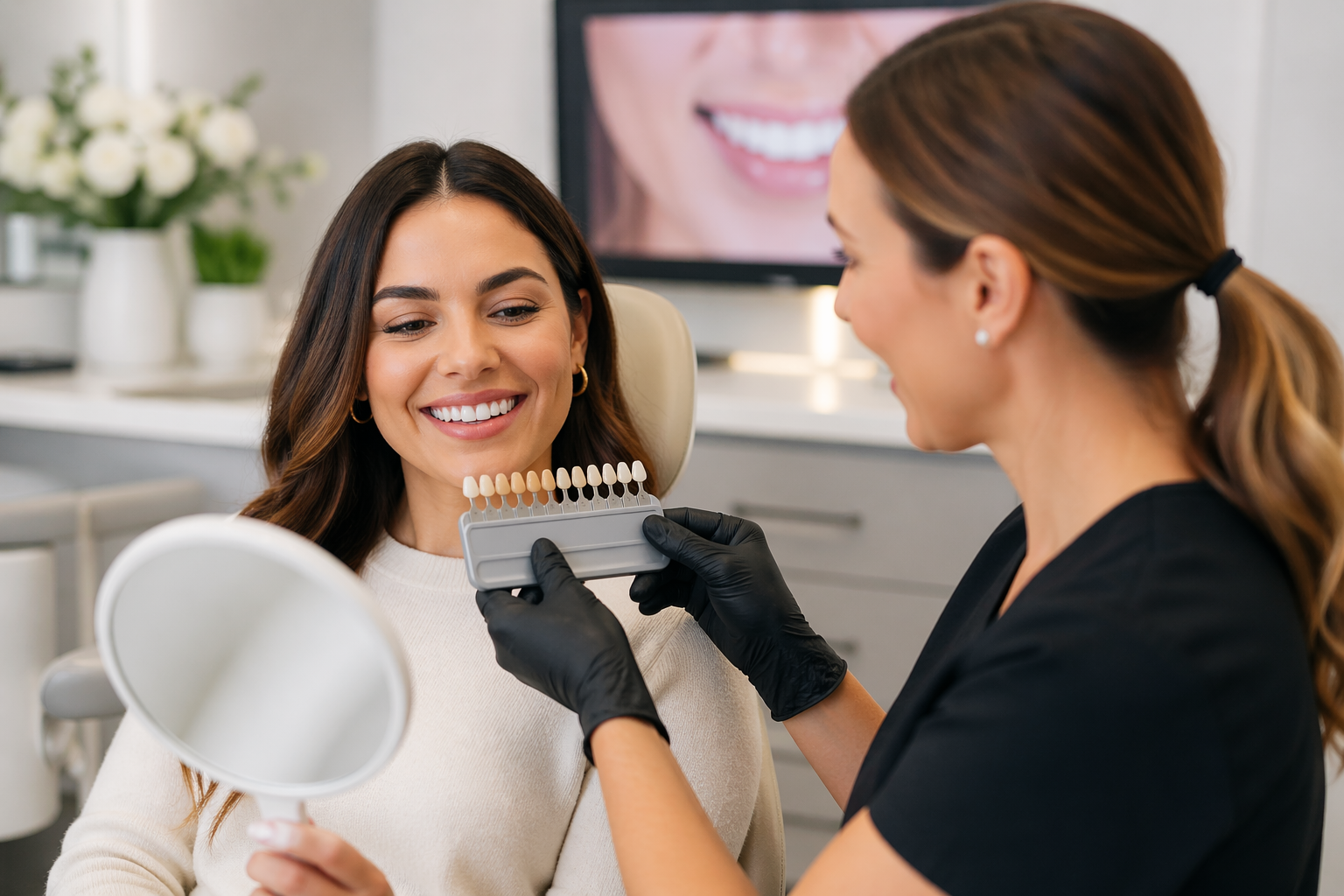
When people start thinking about improving their smile, one of the first questions they ask is whether they need veneers or a more comprehensive smile design plan . While these two terms are often used together, they are not the same—and understanding the difference can help patients make a more confident decision before beginning treatment with Designer Smiles of Colorado. For patients searching for a cosmetic dentist in Littleton , knowing which option fits their goals can save time, reduce uncertainty, and lead to results that feel both beautiful and natural. What Is Smile Design? Smile design is a personalized cosmetic planning process that looks at the full picture of your smile—not just individual teeth. It considers tooth shape, color, alignment, facial balance, bite, gum symmetry, and how your smile fits your overall appearance. Rather than choosing one treatment immediately, smile design begins with a conversation about what you want to change. Some patients want brighter teeth. Others want to correct uneven spacing, worn edges, or older dental work that no longer matches. A smile design plan may include: Porcelain veneers Professional whitening Invisalign Cosmetic bonding Gum contouring Crown replacement This approach is why many patients looking for a smile makeover in Littleton Colorado begin with a consultation instead of asking for one treatment by name. Where Veneers Fit In Dental veneers are thin porcelain shells placed over the front of teeth to improve shape, color, and proportion. Veneers are often ideal when teeth are: Chipped Discolored Slightly uneven Worn down Resistant to whitening For many people searching for veneers in Littleton CO , veneers become one important part of smile design—but not always the first step. If alignment issues exist, clear aligners may come first. If old restorations need replacement, restorative treatment may be recommended before cosmetic work begins. Smile Design Is About Planning, Not Guessing One reason smile design has become increasingly popular is that it avoids rushing into cosmetic treatment before understanding what will create the best long-term result. Patients often assume veneers solve every cosmetic concern, but smile design may reveal that whitening, Invisalign, or minor reshaping can achieve a more conservative result. This is especially important when working with an experienced cosmetic provider like Dr. Maggie, whose advanced training helps patients evaluate what will look natural—not overdone. Dr. Maggie is currently the only FAACD in Colorado, bringing an exceptionally high level of detail to cosmetic treatment planning. Why Littleton Patients Are Asking About Smile Design More Often Patients today are more informed than ever. Many arrive after researching best cosmetic dentist near Littleton , comparing smile transformations, and learning that cosmetic dentistry is no longer one-size-fits-all. Smile design appeals because it offers: A customized plan Predictable aesthetic outcomes Long-term function A natural appearance matched to facial features For patients in and around Littleton, this means treatment is designed around personal goals—not trends. When Veneers Are the Right Choice Veneers are often ideal when: Multiple front teeth need reshaping Whitening alone cannot correct color Teeth have uneven edges or visible wear Patients want dramatic cosmetic improvement quickly For many people considering cosmetic dentistry in Littleton CO , veneers remain one of the most transformative options available. Why a Consultation Matters First The most successful cosmetic outcomes happen when treatment starts with careful planning. A smile that looks beautiful should also feel balanced, healthy, and comfortable. That is why smile design starts with listening: understanding what patients want to improve and what matters most to them in daily life. Whether someone is considering whitening, Invisalign, or veneers, beginning with a professional cosmetic evaluation often reveals options they may not have considered. At Designer Smiles of Colorado, smile design combines advanced cosmetic expertise with a personalized, patient-first approach—helping each person choose treatment that fits both their smile and their lifestyle.

At Designer Smiles of Colorado , we believe a smile is more than just a feature—it’s part of how you show up in the world. When patients come to see us, they’re often thinking about improving the appearance of their teeth. But what many discover is that a smile makeover can transform far more than aesthetics . It can restore confidence, improve oral health, and help you feel like the best version of yourself. Under the guidance of Dr. Maggie , one of the few dentists in the world to achieve FAACD (Fellowship with the American Academy of Cosmetic Dentistry) , our team creates personalized treatment plans designed to enhance both the beauty and function of your smile. Let’s explore what a smile makeover really means—and why it can be life-changing. What Is a Smile Makeover? A smile makeover is a customized combination of cosmetic and restorative treatments designed to improve the overall appearance and health of your smile. Rather than focusing on a single tooth or issue, we look at the big picture: your facial features, bite alignment, tooth shape, and long-term dental health. Patients seeking a smile makeover in Littleton, CO often benefit from a combination of treatments such as: Porcelain veneers in Littleton, CO to reshape or cover worn, chipped, or discolored teeth Professional teeth whitening in Littleton, CO to brighten stained smiles Invisalign treatment in Littleton, CO to straighten teeth comfortably and discreetly Dental crowns in Littleton, CO to restore strength and aesthetics Cosmetic dental bonding in Littleton, CO to repair minor chips or gaps Each treatment is selected carefully to create natural-looking results that complement your unique smile. Why Patients Choose a Smile Makeover Over time, everyday life takes a toll on our teeth. Staining, wear, minor damage, and shifting can gradually change the appearance of a once-bright smile. Patients often seek cosmetic dentistry in Littleton, CO to address concerns such as: Chipped or cracked teeth Stains that don’t respond to whitening products Crooked or crowded teeth Gaps between teeth Uneven or worn tooth edges An aging smile that no longer reflects how they feel inside A smile makeover can address multiple concerns at once, creating balanced, natural-looking results. The Confidence Factor: Why Smiles Matter Your smile is one of the first things people notice about you. When patients feel self-conscious about their teeth, they often hide their smile in photos, cover their mouth when laughing, or avoid speaking up in social and professional settings. After completing a cosmetic smile makeover in Littleton, CO , many patients tell us they feel: More confident in meetings and presentations More comfortable smiling in photos More outgoing in social situations More motivated to maintain their oral health This transformation is exactly what drives Dr. Maggie’s philosophy: “Improve Your Smile. Improve Your Life.” Dr. Maggie’s Artistic Approach to Cosmetic Dentistry What truly sets Designer Smiles apart is the artistry and precision behind every treatment. Cosmetic dentistry is both a science and an art, and Dr. Maggie’s FAACD credentials place her among the most highly trained cosmetic dentists in the world. When designing a smile makeover, she carefully considers: Facial symmetry and proportions Tooth shape and size Gum balance Bite alignment Your personal goals and preferences Patients searching for a top cosmetic dentist in Littleton, CO often choose Designer Smiles because they want results that look beautiful—but also completely natural. Our goal is never to create a “generic” smile. Instead, we design a smile that fits you. Every Smile Makeover Is Personalized No two smiles are the same—and neither are our treatment plans. During your consultation, we take time to: Listen to what you love about your smile Understand what you’d like to change Evaluate your overall dental health Discuss the best options for long-term results From there, we create a customized roadmap that may include Invisalign, veneers, teeth whitening, crowns, or restorative treatments . Whether your goals are subtle or dramatic, we’ll guide you through each step with clarity and care. Patients looking for smile design and cosmetic dentistry in Littleton, Colorado often appreciate this collaborative approach. You’ll never feel rushed or pressured—just informed and supported. The First Step Toward Your Best Smile If you’ve ever wondered what’s possible for your smile, the first step is simple: a conversation. At Designer Smiles of Colorado , we believe every patient deserves personalized care, advanced technology, and a welcoming environment where they feel comfortable asking questions and exploring their options. If you’re considering a smile makeover in Littleton, CO , our team would love to help you discover what’s possible. 📍 Designer Smiles of Colorado 26 West Dry Creek Circle, Suite #310 Littleton, CO 80120 📞 (303) 703-4544 Schedule your consultation today and take the first step toward a smile designed just for you.
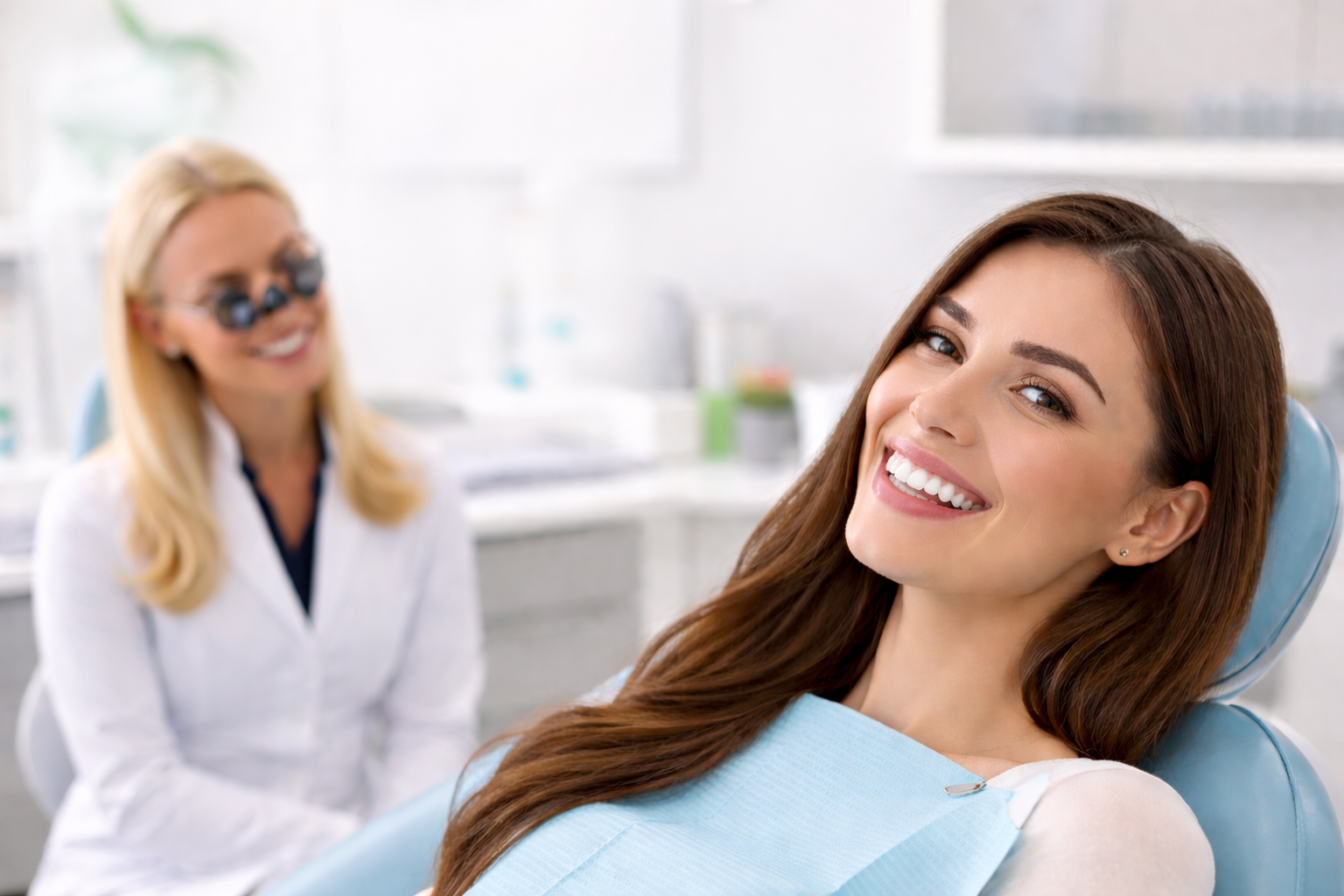
At Designer Smiles of Colorado , nestled in the heart of Littleton, we believe that your smile should be as vibrant and unique as you are. Whether you're preparing for a big life event or simply ready to invest in your confidence, cosmetic dentistry offers more than aesthetic benefits—it can transform how you see yourself and how the world sees you. What Is Cosmetic Dentistry? Cosmetic dentistry focuses on improving the appearance of your teeth, gums, and overall smile. At our practice, it’s about more than just looks—it’s about aligning beauty with optimal health and personalized care. We offer a wide range of cosmetic services, including: Porcelain Veneers – Custom-designed to cover chips, gaps, and discoloration, veneers create a flawless, natural-looking smile. Teeth Whitening – Brighten your teeth several shades in just one visit with safe, professional treatments. Invisalign® Clear Aligners – Straighten your teeth discreetly and comfortably without metal brackets. Smile Makeovers – A customized combination of treatments designed to enhance your entire smile, based on your goals. Why Choose Cosmetic Dentistry in Littleton? Littleton is more than just where we work—it’s our home. We’re proud to serve our community with advanced, compassionate dental care that’s rooted in relationship-building and trust. Under the expert care of Dr. Maggie , Colorado’s only FAACD-accredited cosmetic dentist , you can expect world-class aesthetic dentistry without ever leaving Littleton. With over 15 years of experience and features in the Journal of Cosmetic Dentistry, Dr. Maggie brings both artistry and precision to every smile she enhances. What Makes Our Approach Unique? At Designer Smiles of Colorado, cosmetic dentistry is never one-size-fits-all. We take time to understand your story—your goals, lifestyle, and vision for your smile. Then we design a treatment plan tailored just for you. We combine: State-of-the-art technology for accuracy and comfort Minimally invasive techniques for natural-looking results Compassionate care that makes you feel like family A New Smile, A New Chapter Many of our patients tell us that their cosmetic treatment changed more than just their smile—it changed their life. That’s why our philosophy is simple: Improve Your Smile. Improve Your Life. Whether you’ve been hiding your smile for years or you're simply ready for a refresh, we’re here to help you take that next step with confidence. 📍 Visit us at: Designer Smiles of Colorado 26 West Dry Creek Circle, Suite #310 Littleton, CO 80120 📞 (303) 703-4544 📧 gscosmetic80120@gmail.com ✨ Schedule your cosmetic consultation today and let’s create a smile that feels just like you—only brighter.
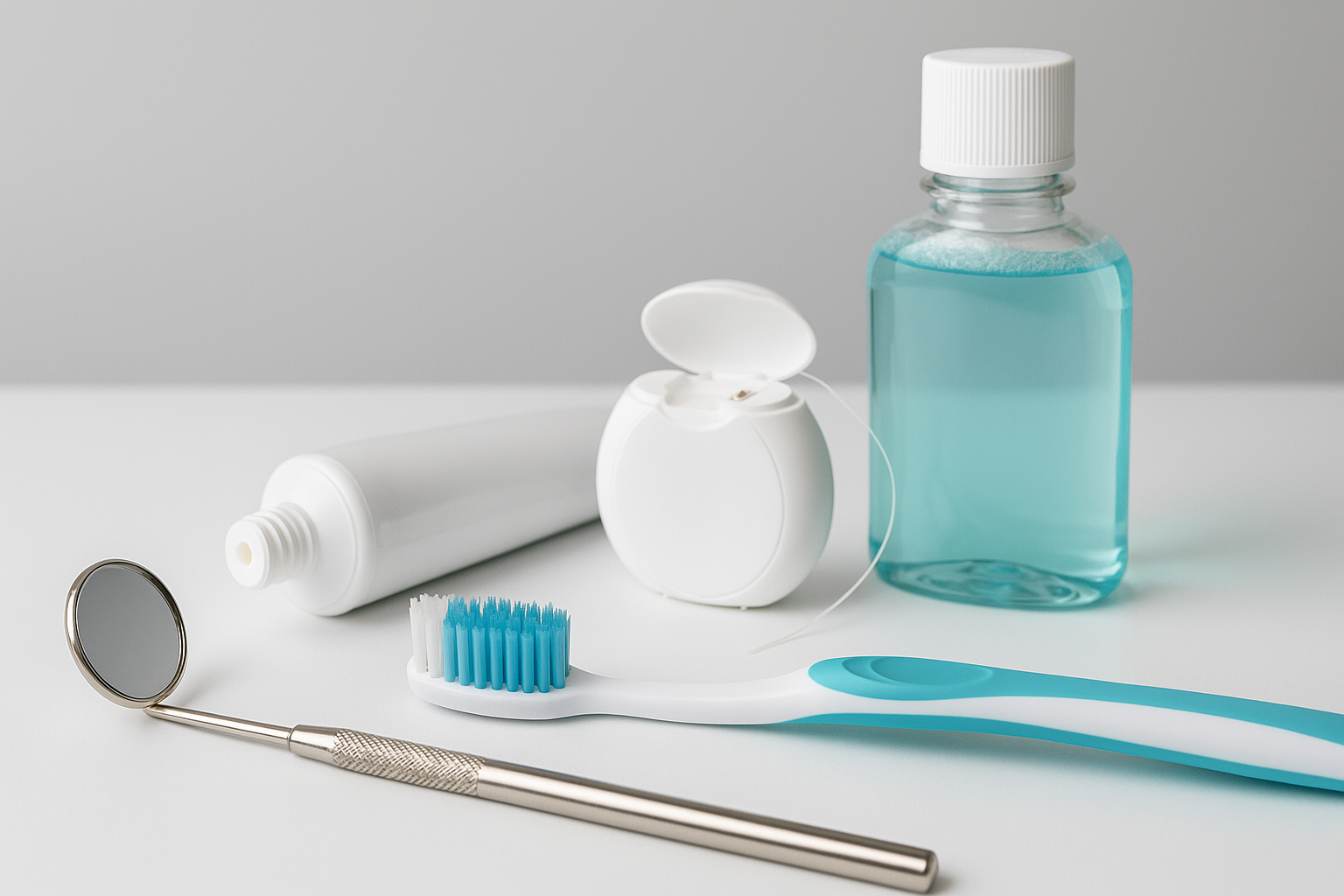
Discover complete dental care in Littleton, CO—from preventive checkups to smile-enhancing cosmetic treatments. Learn why Designer Smiles of Colorado is your destination for total wellness.
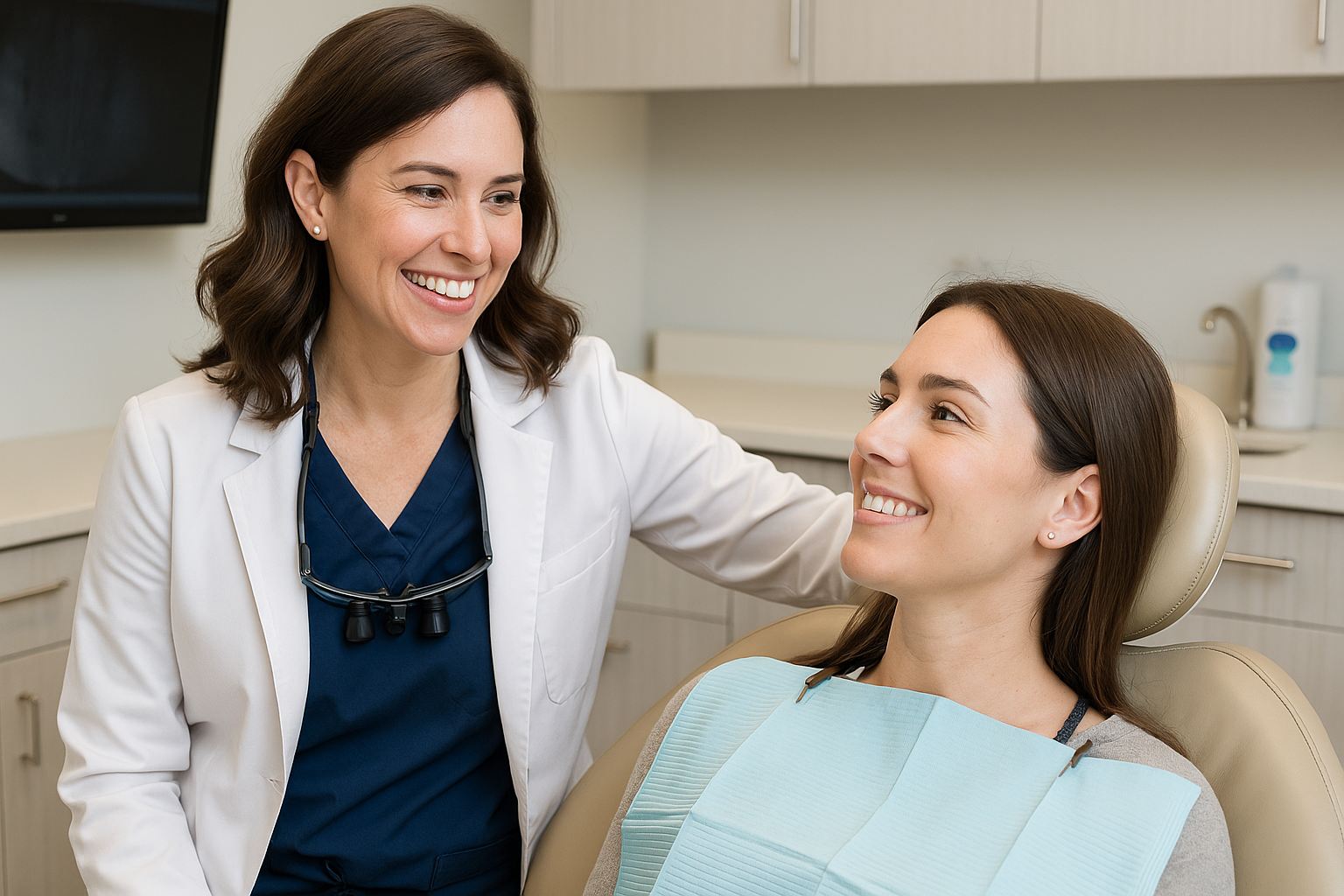
Looking for a trusted dentist in Littleton, CO? Discover what makes Designer Smiles of Colorado unique—from personalized care to advanced cosmetic and general dentistry.